
In precision hole machining, achieving the required geometry and surface finish is essential to ensuring that the component functions properly.
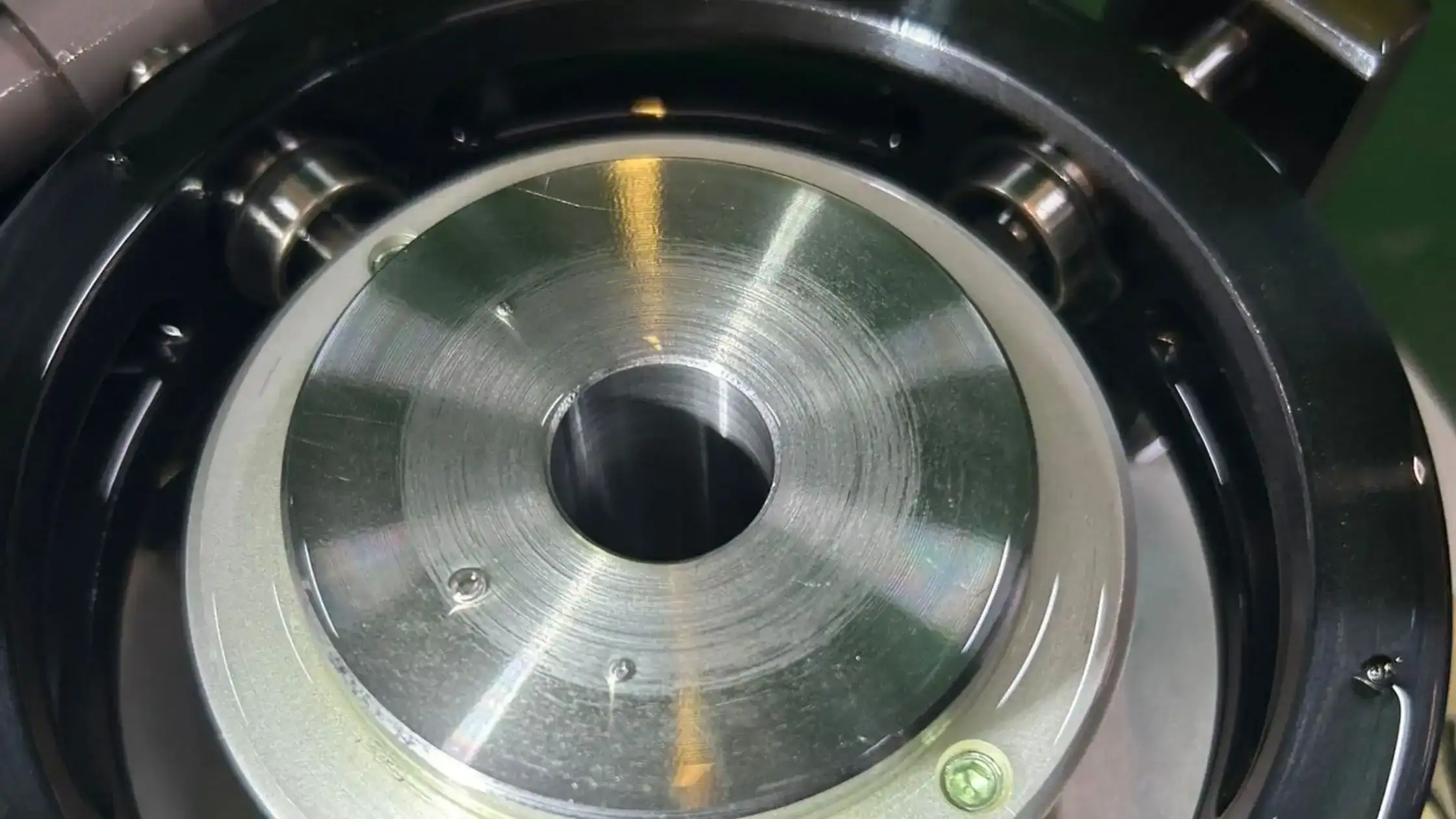
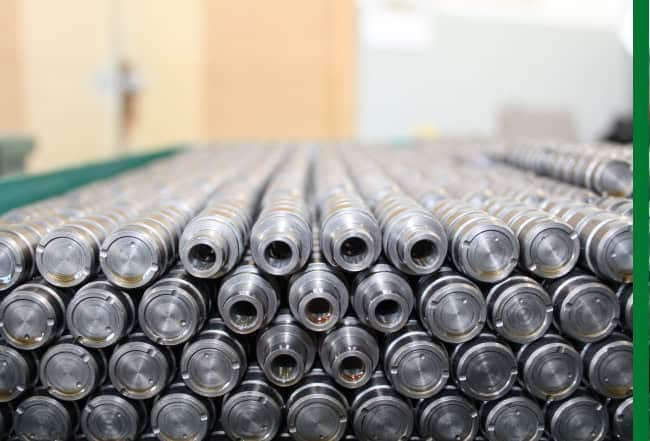
Hole sanding is a finishing process that allows for work to be performed on the inner surface of a hole, improving its quality and helping to achieve high levels of precision.
But what determines the final result? And what factors influence surface roughness when smoothing holes?
What is surface roughness?
Surface roughness describes the irregularities present on the surface of a component. In hole machining, controlling surface roughness is particularly important because it can affect the component’s performance during use.
Depending on the application, the right surface finish can help improve:
- contact between surfaces;
- the movement of components;
- lubricant distribution;
- wear resistance;
- the overall quality of the component.
For this reason, when smoothing the interior of holes, the surface finish must be considered in conjunction with the dimensional and geometric accuracy required by the design.
How to Achieve a Precision Surface Finish
The result of hole grinding depends on the interaction of various process elements. The choice of grinding machine, tool, and abrasive must be appropriate for the component being machined and the desired result.
Process management and the use of appropriate fluids and filtration systems also help maintain stable processing conditions.
To achieve consistent results, it is therefore important to consider the process as a whole, from machine setup to the selection of tools for sanding the holes.
👉 To learn more about the role of tools and abrasives, see also “Tools for Sanding Holes” and “Tools and Abrasives for Sanding.”
The Role of Sanding in Hole Finishing
Polishing allows for precision finishing of the inner surface of holes, improving surface quality and helping to control the hole’s geometry.
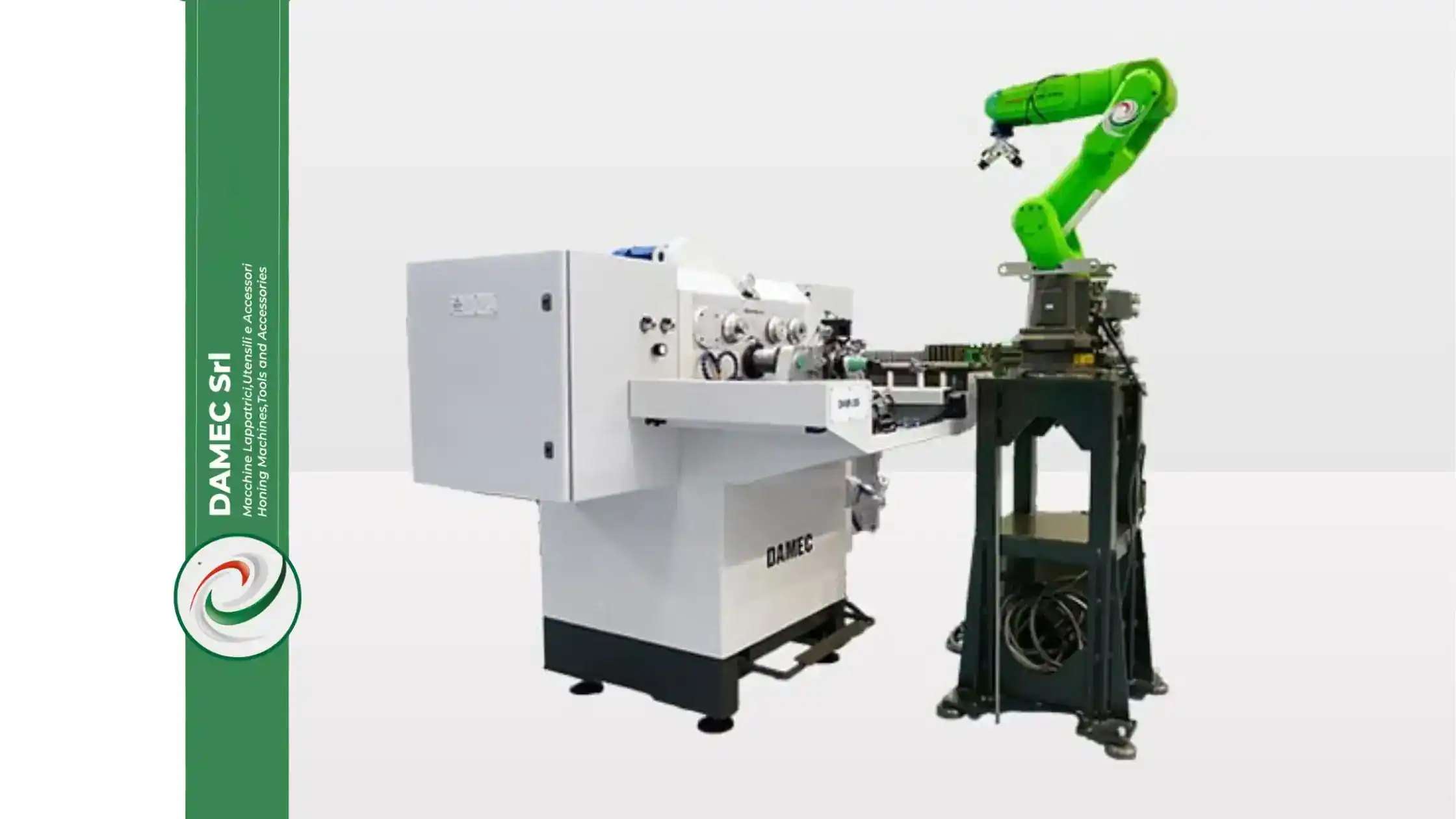
Depending on production requirements, machining can be performed on various types of components and materials using horizontal, vertical, or automated machines.
The choice of the most suitable solution depends on the characteristics of the workpiece, the size of the hole, the precision requirements, and the production volume.
👉 Check out “How to Choose the Right Hole-Sanding Machine” to learn more about the key factors to consider.
Accuracy, Roughness, and Repeatability
In industrial production, it is not enough to achieve a precise result just once. For this reason, in addition to the quality of the finish, it is important to ensure the repeatability and consistency of the process.
A controlled manufacturing process makes it possible to maintain the required characteristics even when producing multiple components, reducing variations and ensuring consistent quality.
It is precisely the balance between dimensional accuracy, geometry, surface roughness, and repeatability that makes hole polishing a critical process for numerous industrial applications.
The quality of the finish starts with process control
Achieving a precision surface finish requires an integrated approach. The machine, tools, abrasives, and machining conditions must work together to achieve the desired result.
Damec develops solutions for the grinding and lapping of holes, providing machines, tools, and expertise to meet the needs of the precision machining industry.
Would you like to learn more about Damec’s solutions for internal hole finishing?
Discover our sanding machines and tools, and contact us to find the solution that best suits your needs.