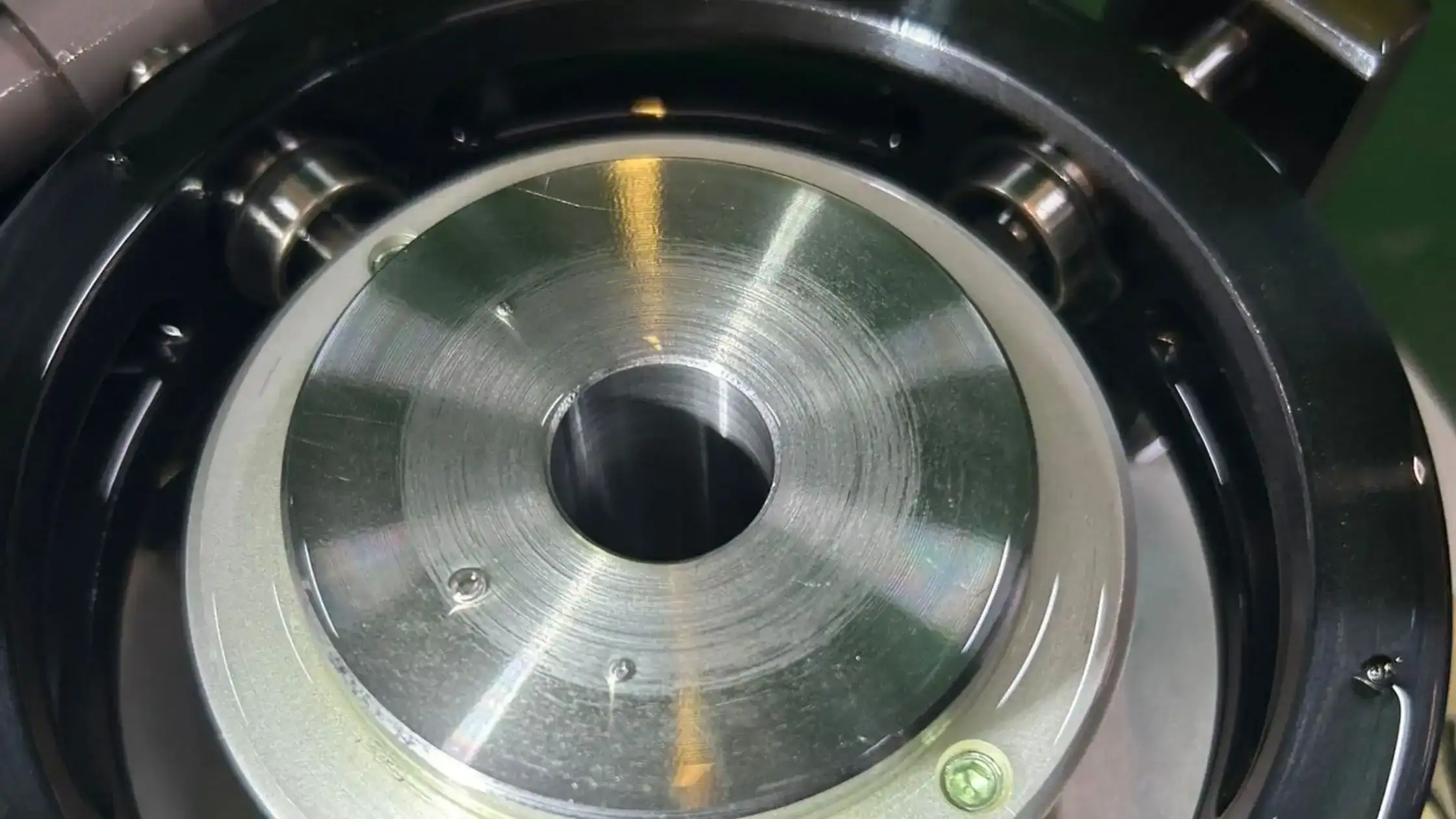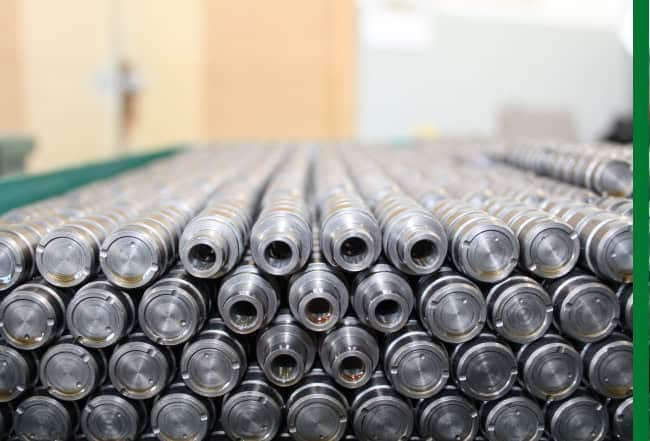

Precision hole polishing is a finishing process used in numerous industrial sectors where precision, surface quality, and repeatability are essential requirements.
Thanks to the ability to improve the geometry and surface finish of the inner surfaces of the holes, this machining process is used in the production of components designed to operate even under particularly demanding conditions.
But in which industries is honing used? And which components can be machined?
Where is honing used?
There are many applications for hole honing, spanning various sectors of precision engineering.
The choice of process and machine always depends on the characteristics of the component and the specifications required by the project.
👉 For more information on the process, see also “Hole Honing.”
Honing for the Hydraulics Industry
Hydraulics is one of the main areas of application for bore honing.
Components that may require precision machining include:
- valves;
- hydraulic pumps;
- hydraulic cylinders;
- hydraulic cartridges;
- single-track blocks;
- flow diverters.
The quality of the workmanship contributes to the proper functioning of the components and their long-term reliability.
Honing in the Automotive Industry
The automotive industry also requires high quality standards for numerous mechanical components.
Hole honing can be used, for example, on:
- bushings;
- valve guides;
- injector bodies;
- injection pumps;
- gears;
- connecting rods.
For connecting rod applications, Damec also offers specific solutions such as the Hydra 8.
👉 Learn more in the article “Hydra 8 Connecting Rod Lapping Machine.”
Biomedical and Pharmaceutical
Precision hole honing is also used in the biomedical and pharmaceutical industries, where quality and precision are essential requirements.
Possible applications include, for example:
- medical equipment;
- glass syringes;
- components intended for the pharmaceutical industry.
Motorsports and Mechanical Transmissions
In the world of mechanical transmissions and motorsports, the quality of hole machining can contribute to the performance and reliability of components.
Sanding is used on items such as:
- cylinders;
- shock absorbers;
- monoblocks;
- forks;
- pistons;
- connecting rods.
Each application requires a specific evaluation of the component’s characteristics and the manufacturing process.
Aerospace and General Mechanical Engineering
The aerospace and general machinery sectors may also require hole polishing for components intended for high-precision applications.
In these areas, the choice of solution must take into account the characteristics of the part, the materials used, and the design specifications.
Technology for Precision
To achieve consistent results, it is important to consider the entire production process.
Machines, tools, abrasives, and machining fluids all contribute to the final quality of the component.
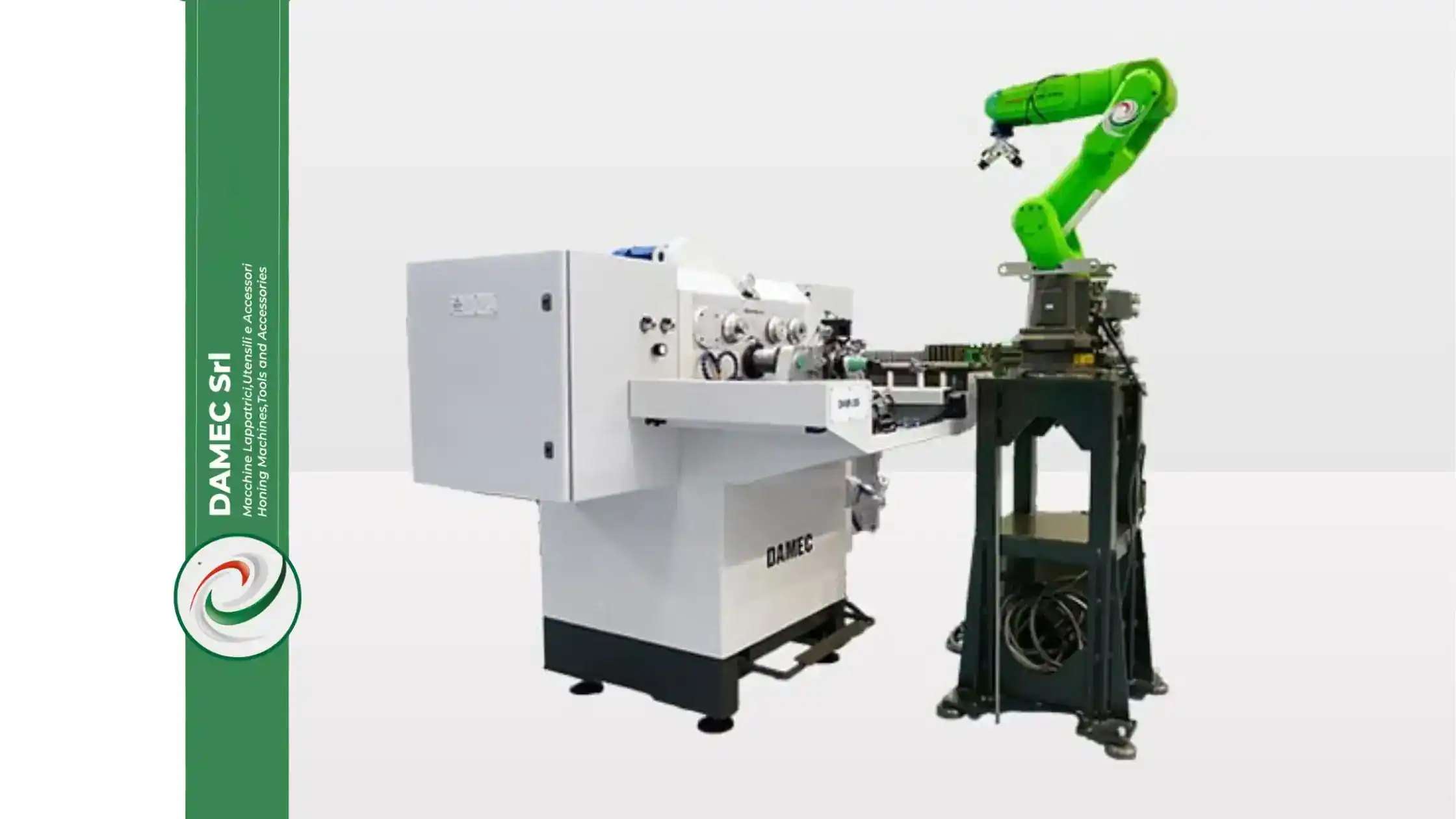
Damec offers a comprehensive range of products and services, including:
- horizontal sanding machines;
- vertical sanding machines;
- automated machines;
- honing tools;
- abrasives and related accessories.
Solutions for Every Production Need
Every industrial sector has different needs, but the goal remains the same: to produce components that meet high quality standards and ensure consistent manufacturing results over time.
Drawing on its expertise in hole honing and lapping, Damec works with companies to help them choose the most suitable solution, offering machines, tools, and services dedicated to precision machining.
Would you like to find the solution that best suits your production needs?
Contact the Damec team to learn more about the available technologies and applications for your industry.