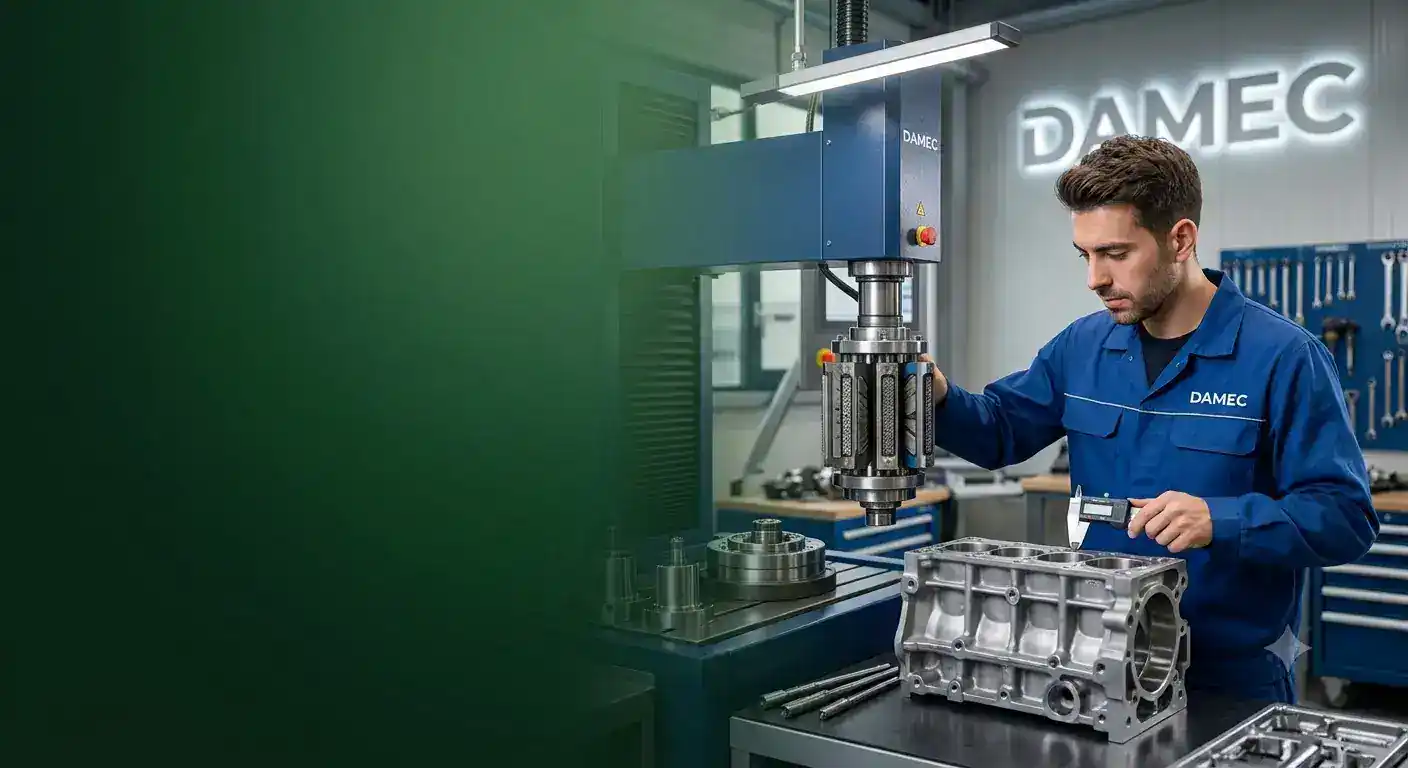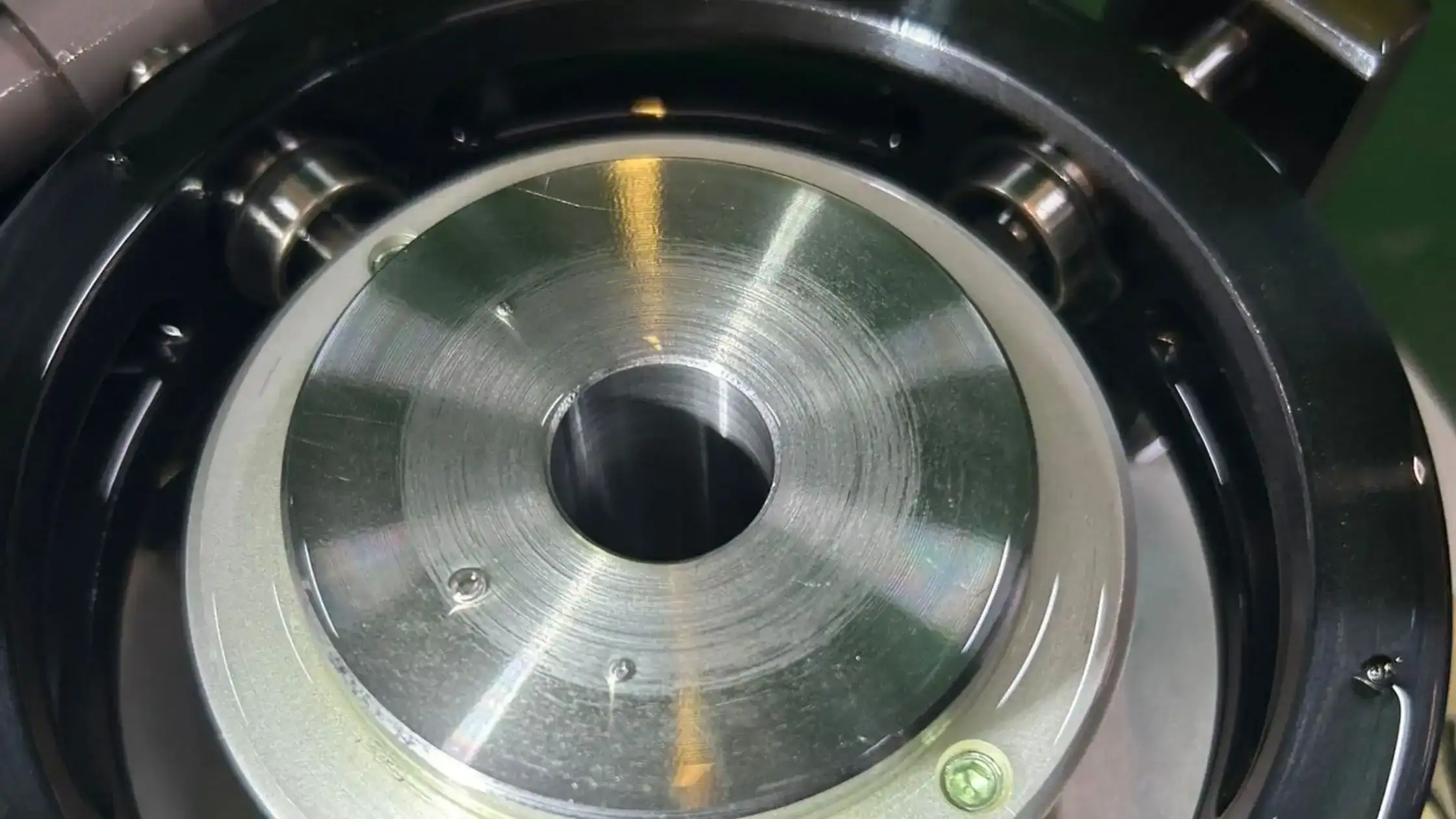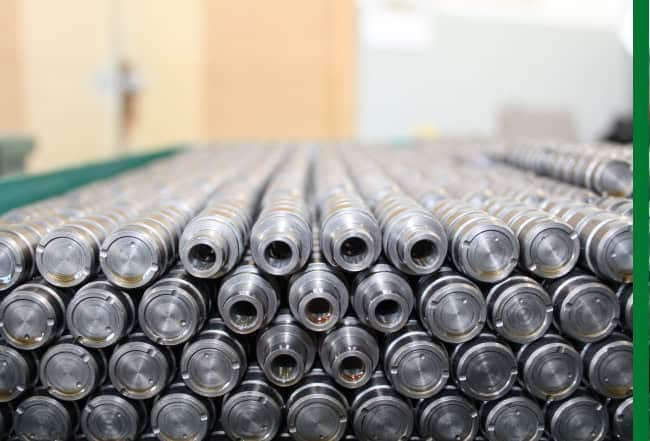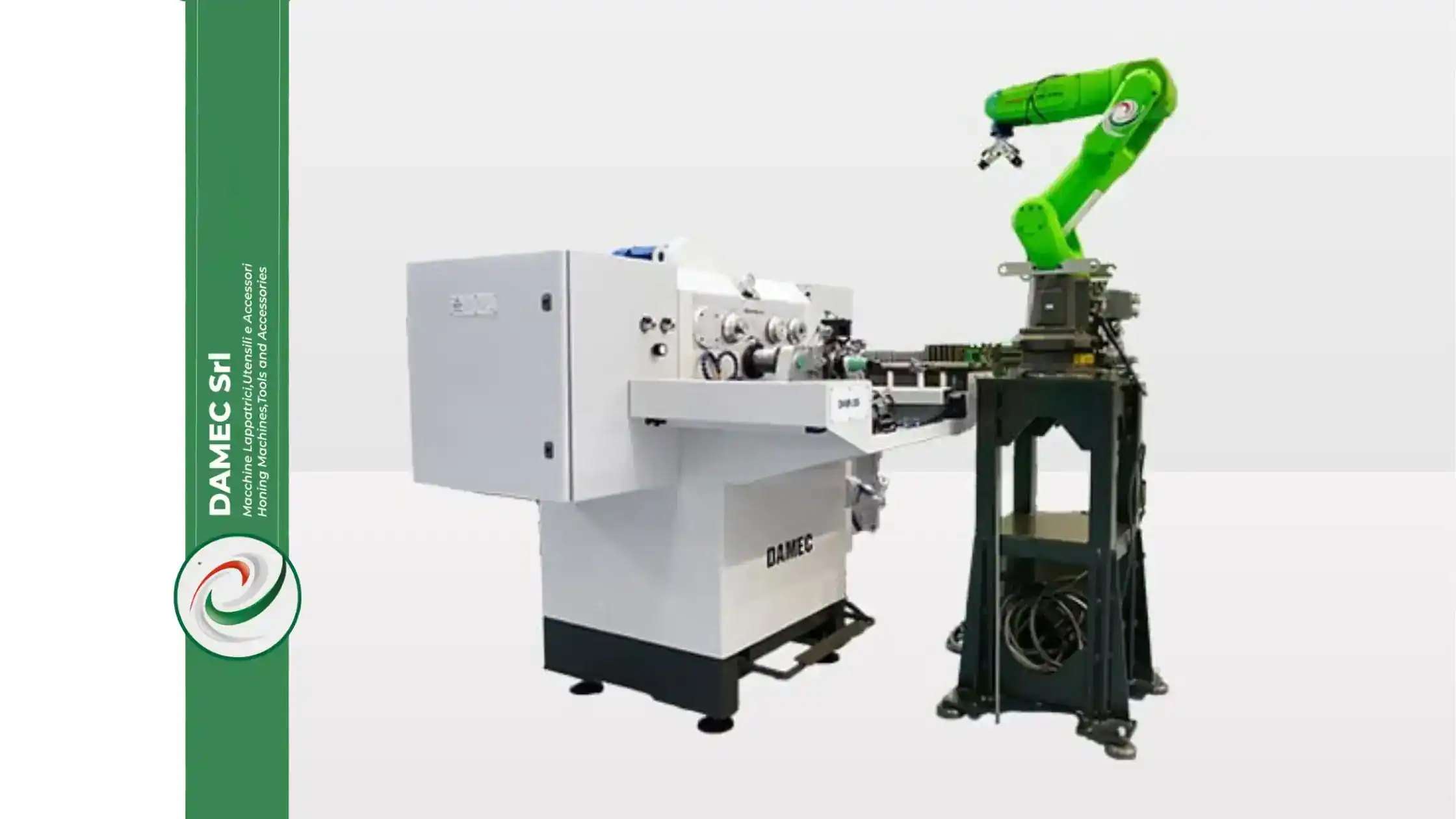

In the precision machining industry, the quality of a hole’s internal surface can play a critical role in the component’s performance.
Among the processes used to achieve high levels of precision and surface quality are hole polishing and hole lapping.
These are distinct processes that can be used depending on the component’s characteristics and the desired result.
But what are the main differences between grinding and lapping? And when should you choose one over the other?
What is hole sanding?
Hole smoothing is an internal finishing process that allows for modifications to the surface of the hole, improving its quality and helping to control its geometry and surface finish.
This process is used in numerous industrial sectors and can be applied to various components, depending on production requirements.
Sanding can be performed using various machine configurations, including horizontal and vertical sanders and automated systems.
👉 To learn more about the process, you can read the article “Hole Sanding” and find out “How to Choose the Right Hole-Sanding Machine”.
What is hole lapping?
Hole lapping is also a precision finishing process. It is used to achieve surface and dimensional characteristics that meet the component’s specifications.
Lapping machines can be designed to process various types of components and applications, with specific solutions tailored to production needs.
The Damec catalog includes, for example, the Hydra 2 and Hydra 8, which were developed for precision lapping applications.
What is the difference between sanding and lapping?
Sanding and lapping are both finishing processes, but they are not synonymous.
The difference mainly concerns the type of process, the characteristics of the machining, and the requirements of the component.
Choosing the most suitable solution depends on several factors, including:
- hole characteristics;
- component material;
- dimensional and geometric requirements;
- required surface quality;
- production characteristics.
For this reason, the choice of machine and machining configuration must be evaluated based on the specific application.
Grinding or lapping: Which Should You Choose?
There is no one-size-fits-all solution for every machining operation. The choice between grinding and lapping holes must be based on the component’s characteristics and production objectives.
It is important to consider the type of hole to be drilled, the desired result, and the production volume, while also assessing the level of automation required.
The choice of machine must be accompanied by the proper selection of tools, abrasives, and machining fluids, in order to establish a process that is consistent with production requirements.
👉 Learn more about “The Complete Sanding Process: Machines, Tools, and Fluids.”
Industrial Applications
Hole grinding and lapping processes are used in various fields of precision engineering.
Among the sectors in which they can be used are, for example:
- automotive;
- hydraulics;
- general mechanics;
- mechanical transmissions;
- motorsport;
- aerospace;
- biomedical and pharmaceutical sector.
The choice of technology always depends on the specific requirements of the component and the manufacturing process.
Precision and Quality of Finish
Regardless of the machining method chosen, the goal is to achieve a precise, controlled, and repeatable result.
The final quality depends on the integration of several elements: the machine, the tool, the abrasive, and the machining conditions.
Damec develops machines and solutions for hole grinding and lapping, helping companies choose the configuration that best suits their needs.
Are you looking for a solution for precision hole machining?
Contact the Damec team to learn more about the available options and identify the solution best suited to your application.