
Lapping: What It Is and When It’s Needed
Introduction
Lapping is a fundamental process in the machining of metals and other materials to achieve extremely smooth and precise surfaces. But what is lapping, and how exactly does it work? In this article, we’ll explore what lapping is, how it’s performed, and in which industrial sectors it’s indispensable.
Table of Contents
- What Is Lapping and How Does It Work?
- Tools and Machinery Used in Lapping
- Applications of Lapping
- Advantages of Lapping
- Differences Between Lapping, Grinding, and Turning
- Conclusions
What is lapping, and how does it work?
Lapping is a surface finishing process used to remove imperfections and micro-irregularities from a surface. The goal is to achieve a high-precision finish with very tight dimensional tolerances. Lapping is typically applied to flat surfaces or holes and is performed using a combination of abrasive materials and specific pressure and motion conditions.
Unlike other finishing processes, lapping allows for a very high level of precision and surface roughness, making it ideal for applications that require smooth, precise surfaces.
How Does It Work?
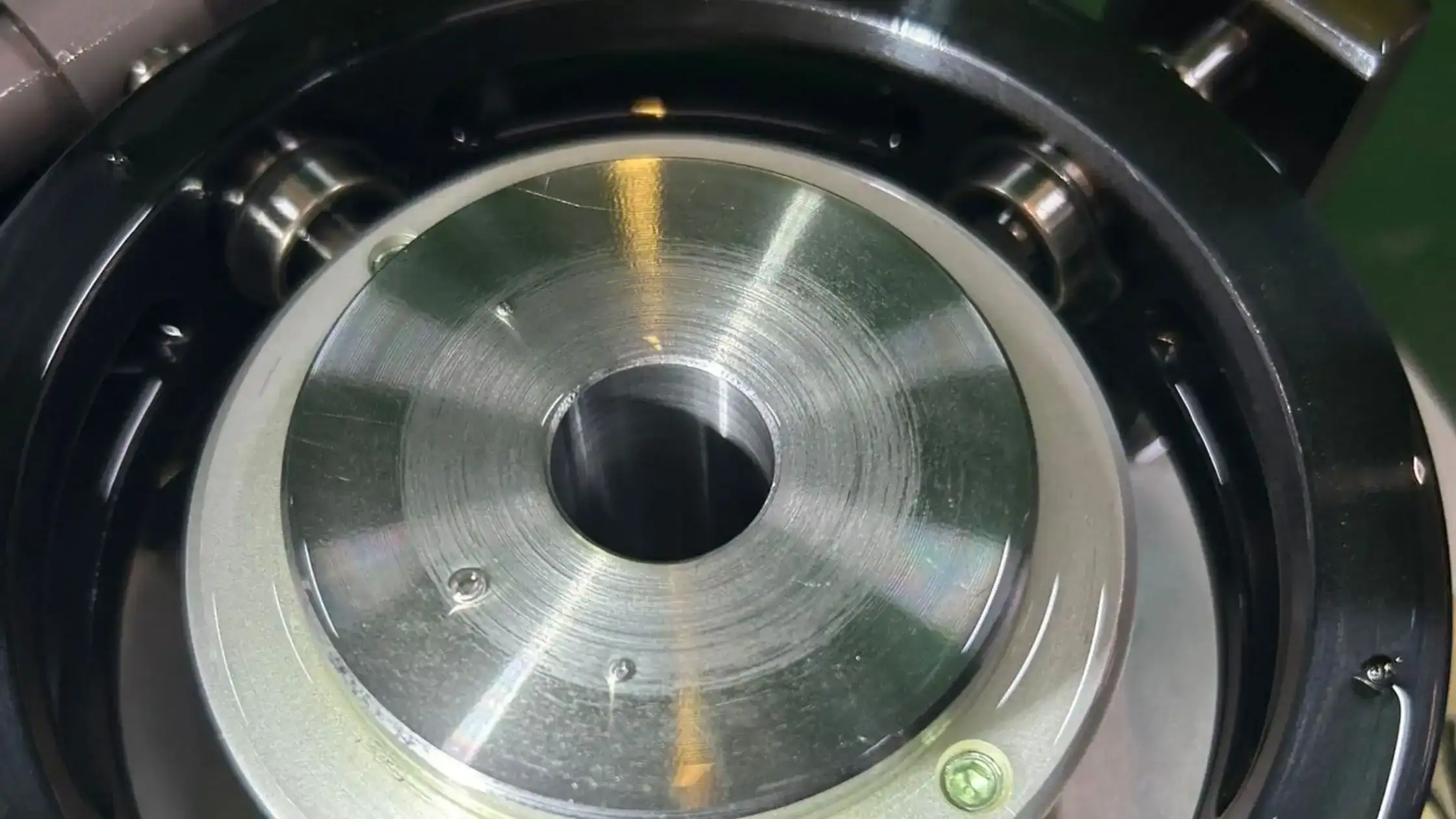
During the lapping process, light pressure is applied between a tool (or “lap”) and the surface of the workpiece, using an abrasive paste or specific abrasive stones. The abrasive performs a microscopic cutting action, removing small amounts of material and leveling out any protrusions.
Types of Abrasives Used
The abrasives used in lapping can include:
- Conventional abrasives (aluminum oxide, silicon carbide)
- Superabrasives (diamond, CBN), ideal for hard materials such as hardened steel or non-ferrous materials.
2. Tools and Machinery Used in Lapping
There are several types of lapping machines, each designed for a specific application. Among these, the most common include:
- Horizontal and vertical lapping machines: used for machining flat and cylindrical surfaces.
- Spindles and abrasive wheels: essential tools that ensure the consistency and precision of the process.
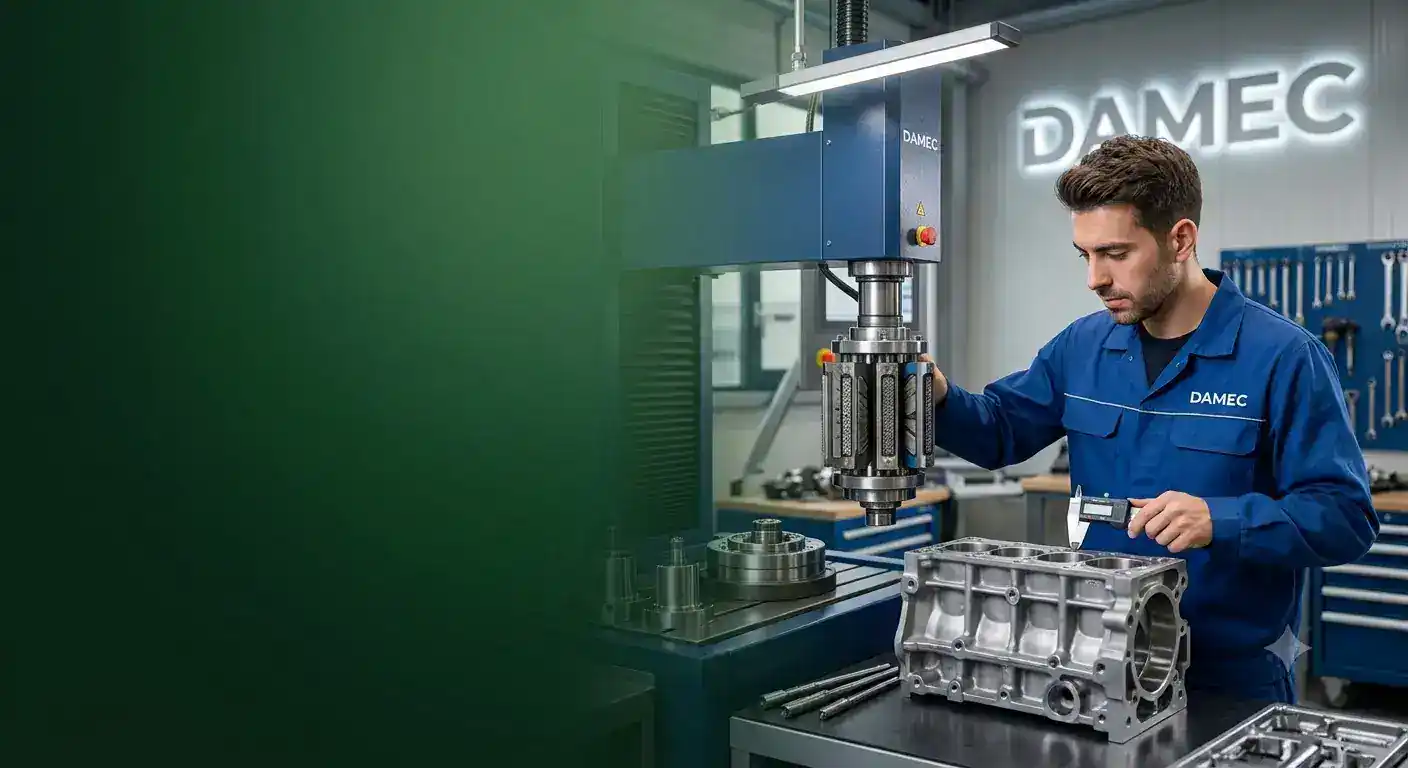
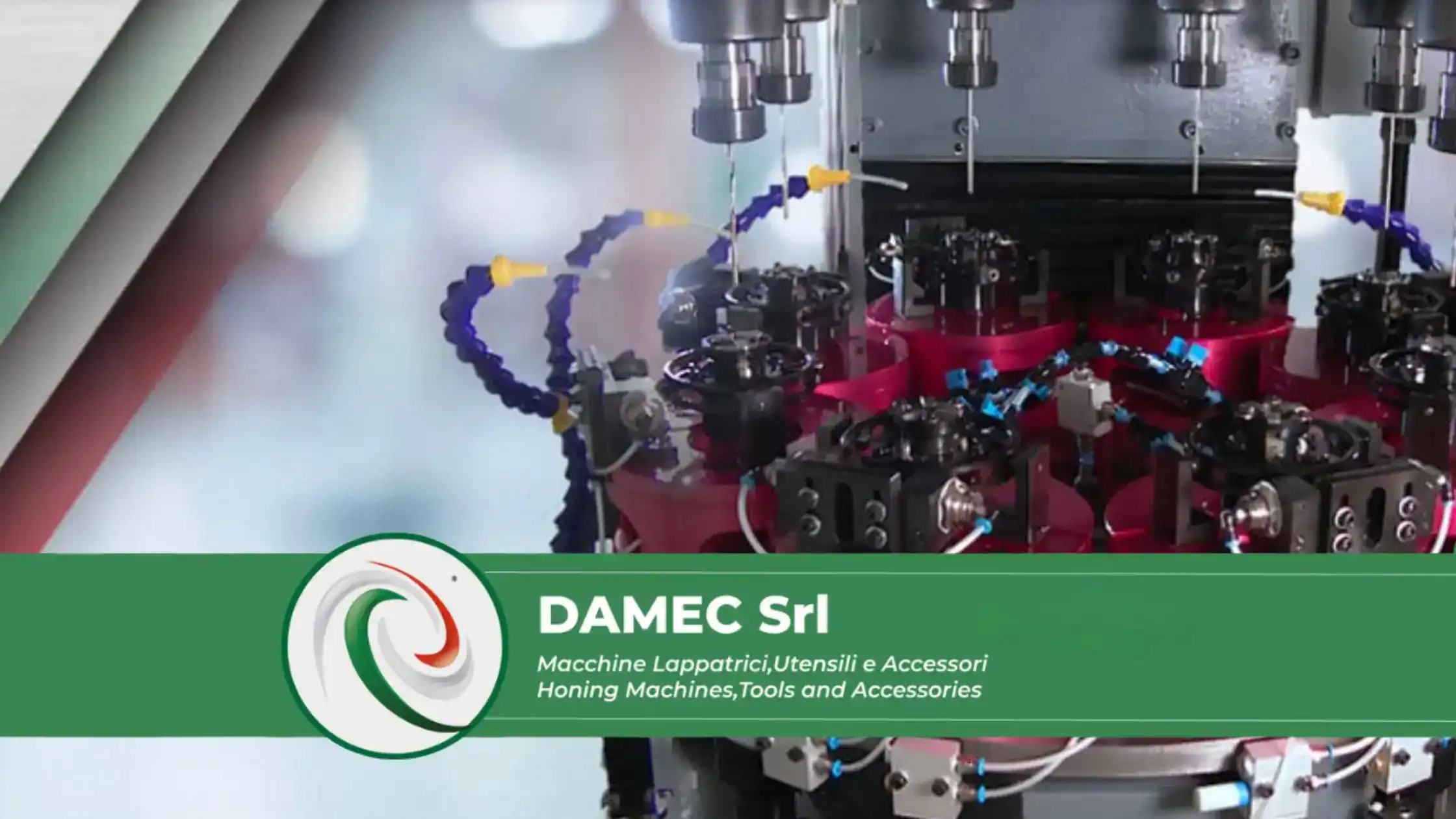
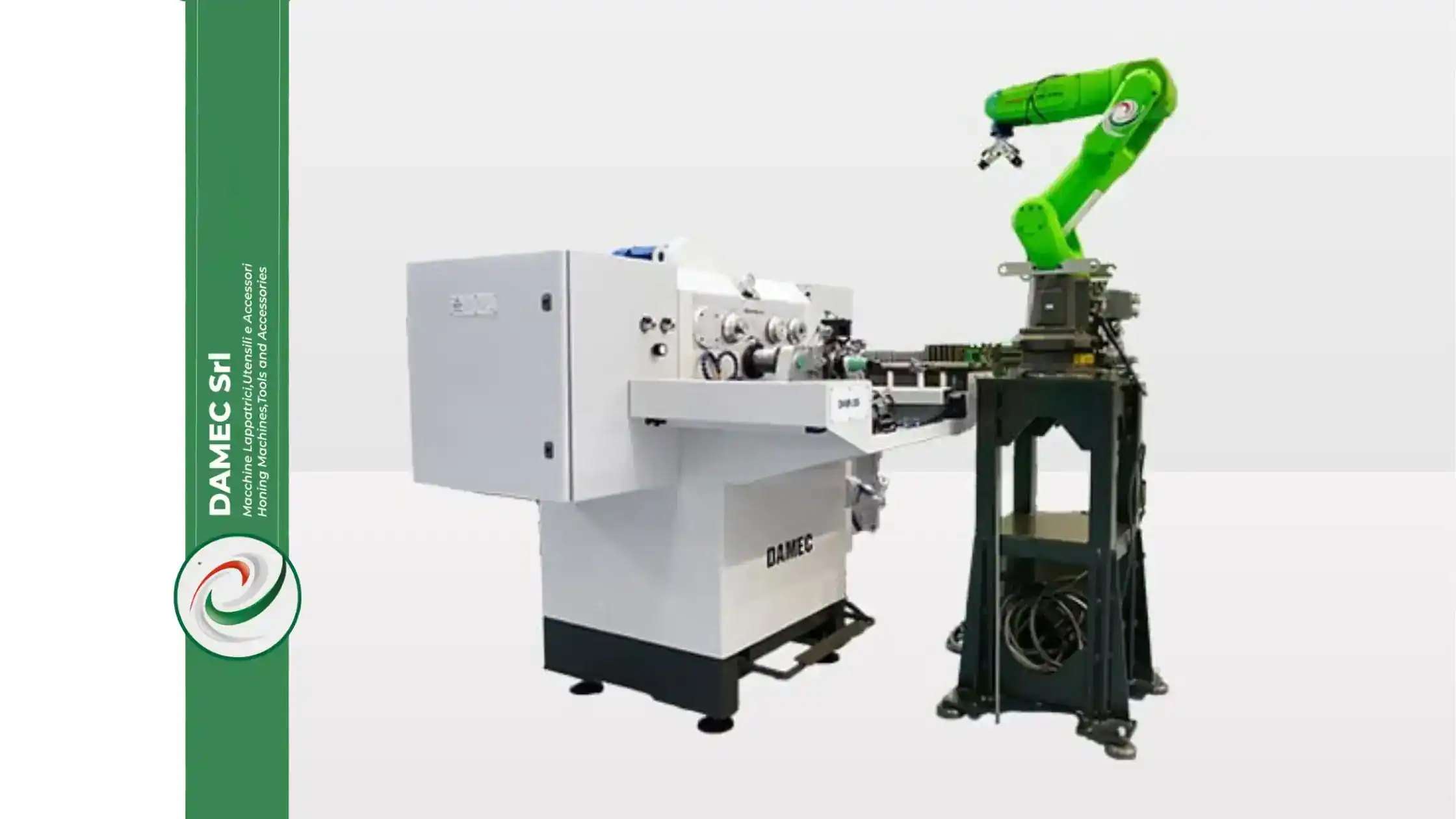
- Automated systems: such as those offered by Damec, with advanced customization and automation options, suitable for high-precision industrial processes.
3. Applications of Lapping
Lapping is a process used in a wide range of industrial sectors, including:
- Automotive: for machining engine components that require smooth surfaces and precise tolerances.
- Aerospace: where precision is essential for high-performance components.
- Pharmaceutical industry: for creating sterile, smooth surfaces in medical devices.
- Hydraulics and Mechanical Sector: to improve the durability and efficiency of moving mechanical components.
4. Advantages of Lapping
Lapping offers numerous advantages over other finishing processes:
- Dimensional accuracy: enables extremely tight tolerances, down to the micron.
- Minimal surface roughness: ideal for components that require smooth, flawless surfaces.
- Component Lifespan: Lapping reduces imperfections, thereby increasing the wear resistance and lifespan of the surfaces.
5. Differences Between Lapping, Grinding, and Turning
It is common to confuse lapping with other finishing processes such as grinding and turning, but each of these offers specific characteristics and advantages:
Grinding: A mechanical removal process used to achieve precise dimensional tolerances and smooth surfaces. It uses an abrasive wheel to remove small amounts of material and is often used to finish metal components and improve their geometry.
Turning: A machining process that involves removing material with a tool from workpieces rotating on an axis; it is typically used to create cylindrical or conical shapes. Turning is ideal for quickly shaping workpieces but does not guarantee the same dimensional accuracy as lapping.
Lapping: A process that produces an extremely precise surface with minimal roughness, resulting in reliable, high-performance components. Unlike grinding and turning, lapping allows for greater dimensional accuracy, which is essential for components that require maximum reliability.
6. Conclusions
Lapping is an essential process for many industries where precision and surface finish are critical. From mechanical and automotive components to aerospace and medical applications, lapping ensures surfaces of the highest quality. What is lapping and how does it work? As we’ve seen, it’s a high-precision finishing process that removes microscopic imperfections, resulting in smooth, flawless surfaces. If your company needs high-quality lapping solutions, entrust your process to Damec’s advanced machinery: precision and reliability guaranteed!
Contact us to learn more about our advanced lapping products or to receive personalized advice